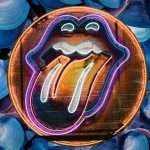
Photo by Roberto Rendon on Unsplash
The old Vegas punchline took a hit the moment Sphere turned into a rock pilgrimage. U2’s opening run sold 663,000 tickets and grossed $244.5 million across 40 shows according to Billboard. Then the Eagles kept adding dates. On the Strip, a residency began to look like one of the few live models that still makes brutal logistical sense.
Critics still treat Vegas like a compromise, as if a fixed run automatically means the edge is gone. Moving a large-scale rock show from city to city has become more expensive, more fragile and less forgiving. Keep the production in one room and the band can spend more energy on the performance instead of chasing the next load-in.
That is why Las Vegas residencies now sit closer to the center of the live music industry than their old reputation suggests. They protect margins, turn concerts into travel occasions and give legacy acts a way to stay ambitious without pretending the road has not changed.
The old stigma has expired
“Going Vegas” once sounded like surrender, a phrase wrapped in lounge-act baggage and tabloid decline. That framing belonged to a different market and frankly, a different city.
Modern rock residencies are built around premium rooms, destination crowds and productions that would lose half their force if they were flattened into a standard arena stop. There is nothing especially authentic about dragging an oversized show through an inefficient route to prove a point.
Touring economics are forcing realism
Billboard noted in early 2026 that residencies separate revenue from many of touring’s ugliest costs. For rock acts, that means fewer travel days, fewer production resets and tighter control over sound, lighting, visuals and pacing. The show can actually settle in.
A residency also cuts a lot of hidden friction:
- ● less freight and transport complexity
- ● fewer overnight load-ins and load-outs
- ● more consistent production quality
- ● a more predictable schedule for artists and crews
For established acts, the benefit is immediate. Fewer dates can still produce stronger grosses, better-rested performers and a more reliable experience for fans who paid premium prices.
Vegas sells the whole weekend
Las Vegas is built for stacked spending. The Las Vegas Convention and Visitors Authority says that the city drew 38.5 million visitors in 2025 and operated roughly 150,300 hotel rooms. This averaged an occupancy above 80 percent. That is fertile ground for music tourism.
Fans are rarely buying only a seat. They are booking flights, scanning room rates, picking restaurants, timing pool reservations and deciding whether the trip can stretch into two nights instead of one.
The concert becomes the excuse for the weekend, then the weekend enlarges the value of the concert.
The audience already plans this way
Vegas visitors shop in clusters. They compare calendars, flight times, dinner slots, room categories and even side searches like best new casino sites before they ever land. In that kind of behavior pattern, Las Vegas concerts are not stand-alone transactions. They anchor the whole itinerary.
The room becomes part of the act
Sphere changed the conversation because the venue itself became part of the pitch. Visit Las Vegas says it seats about 18,600 people and its immersive scale makes the idea of a normal “tour stop” feel slightly absurd. Nobody builds that kind of visual ecosystem because it is easy to move.
Fans are not only buying a band at that point. They are buying a room that can do something other rooms cannot and that changes the commercial math before the first chord lands.
Older rooms still make the same argument in a different way. The Colosseum at Caesars Palace, which opened in 2003 and was named Billboard’s top venue in the 2,501-5,000-capacity category again in 2025. This remains a model for artist-specific runs that feel tailored rather than portable.
Smaller rooms matter too. A residency does not need a technological moonshot to work. In a venue such as the House of Blues at Mandalay Bay, the draw can be intimacy, deep cuts, repeat attendance and the sense that fans are seeing a sharper, more controlled version of the act than they would get on a tired-arena loop.
Age is part of it, but not in the lazy way critics mean
Yes, many residency acts are older. That is obvious. What gets lost is the practical side of the conversation. Bodies change, voices need more care and recovery time becomes part of the craft.
A fixed run gives artists a better shot at protecting the thing the audience actually bought, the performance. Better rest, steadier vocals, fewer travel shocks and less room for an off-night caused by transit instead of talent.
There is no dignity in pretending the calendar does not exist. A Vegas run lets artists work with long careers rather than stage a fake war against them.
Survival is not a dirty word
Calling residencies “selling out” assumes the old road model still carries moral authority. In practice, it often just carries more cost. When production budgets rise and fans still expect spectacle, a residency reads as an adaptation with its eyes open.
Vegas has not made rock softer. It has made it more deliberate. In a city where the hotel inventory, venue calendar and weekend economy all work together, the residency is no longer the backup plan… It is one of the clearest ways that rock can stay big without wasting itself getting there.