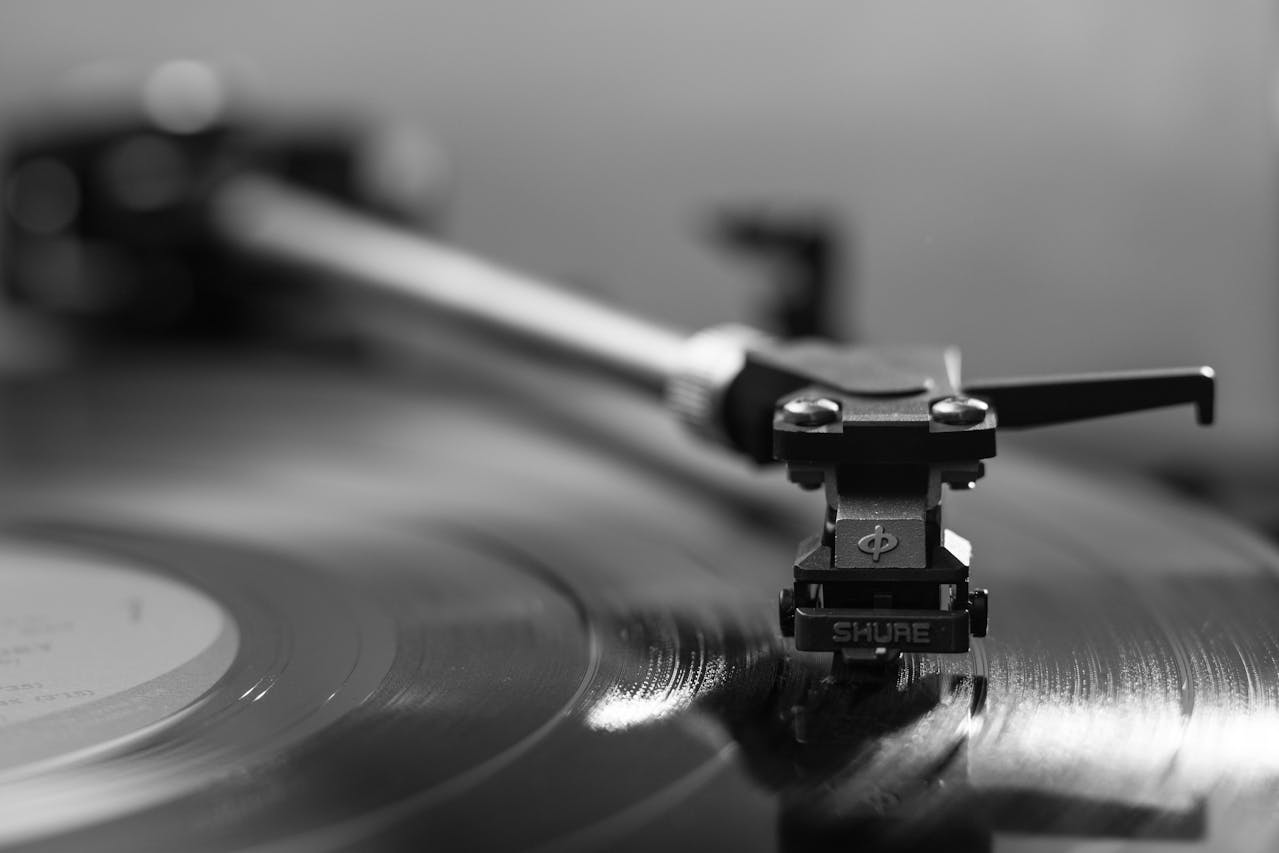
Vinyl, photo by Anton H
A familiar sound can immediately bring a memory to mind. The ring of a school bell, the click of a camera, or the sound of a train arriving at a station often reminds people of specific moments without much effort. These reactions happen quickly because the brain tends to connect sounds with the situations in which they were first experienced.
Researchers have long examined why these links form so easily. When a sound occurs repeatedly in the same setting, the brain stores it alongside the emotions and events associated with that moment. Hearing that sound again can bring those memories back with surprising clarity.
The Link Between Sounds and Emotions
People naturally connect certain sounds with particular emotions. The brain constantly looks for patterns, and repeated experiences help it form quick associations between what we hear and how we feel. Over time, these links become automatic. When the same sound appears again, it can trigger a familiar emotional response without much thought.
A simple example can be found in music used during quiet moments of childhood. Soft lullabies or gentle melodies are often associated with bedtime routines, creating a lasting sense of calm when those sounds are heard later in life. The brain remembers the environment in which the sound first appeared, along with the feelings that came with it.
Other sounds carry a more public meaning. Applause, for instance, is widely connected with recognition and success. It usually follows a performance, an achievement, or a moment of praise in front of others. Because of this strong association, many digital platforms include similar audio cues to signal progress or reward. For example, online casino games at Unibet and other gaming platforms often use celebratory sound effects to highlight a winning round or a successful outcome.
Similar patterns appear in everyday environments. The ringing of a school bell often signals the end of a lesson, which many people remember as a moment of relief or anticipation. Over time, even hearing a similar bell outside a school setting can bring back that familiar sense of transition from work to free time.
Past Experiences Shape the Way We Hear Sounds
Much of the meaning people attach to sound comes from memory. When a particular noise appears during an important moment, the brain tends to store that sound together with the experience.
Later, hearing the same noise can quickly bring the moment back, often with the emotions that came with it. This happens because the brain areas that process sound are closely connected to those that store personal memories.
Fireworks are a simple example. The sudden crack and echo in the sky often remind people of holidays, summer evenings, or family gatherings. Even years later, hearing that sound can return someone to those scenes almost instantly. The sound itself carries no emotion on its own, yet repeated experiences give it meaning.
This process also helps people react quickly in everyday situations. A car horn immediately signals caution because the brain has learned to associate that noise with possible danger on the road. Over time, many ordinary sounds become markers of past experiences. The result is a personal soundscape shaped by memories that differ from one person to another.
Culture and Social Habits Also Shape the Meaning of Sound
Sound associations are also shaped by shared traditions and social environments. Communities pass down certain meanings through repeated customs, celebrations, and public events.
A drumbeat at a festival, for example, often signals celebration and gathering. The same sound in another context might carry a different meaning, depending on how it is used within that culture. These patterns develop over time as communities attach symbolic value to certain noises.
Public events strengthen these associations. The roar of a crowd at a stadium often represents excitement and collective support. Films and television also reinforce shared reactions. Sound effects used in suspenseful scenes or joyful moments help audiences recognise specific audio cues almost instantly.
Technology has also introduced new sounds into daily routines. Notification tones, message alerts, and device alarms have become familiar signals of communication or urgency. Even though these sounds are relatively new, repeated exposure has already given them clear meaning in everyday life.
Sounds That Shape Our Experiences
Everyday sounds often carry more meaning than people realise. A short melody, a crowd reaction, or a familiar signal can bring back memories, shift moods, or influence how a situation is interpreted. Over time, these associations become so familiar that they feel automatic.
From personal memories to shared cultural habits, sounds act as markers that help people interpret their surroundings. Even the simplest noise can carry layers of meaning shaped by memory, environment, and social context.