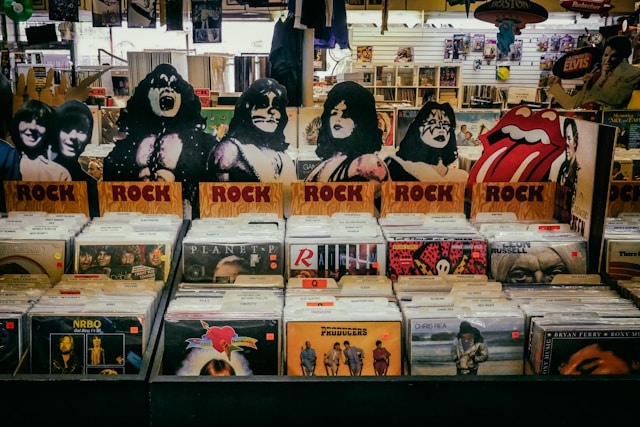
Photo by Mick Haupt on Unsplash
Classic rock has never really gone away, but the modern world has changed what longevity looks like. Streaming keeps back catalogues discoverable, and social media turns any reunion whisper into a global moment. For the biggest names, the question isn’t can we still sell records? But how do we turn decades of cultural weight into a modern, global brand?
Reforming And Touring
Nothing proves relevance like a sold-out arena. Across 2026, veteran acts are still putting dates on the calendar and attracting multi-generational crowds, with tours and festival bills featuring bands formed in the 1970s and 1980s. Sometimes, the reforming story is as attention-grabbing as the music
.For bands that do hit the road, touring drives everything around: spikes in streaming, premium ticketing, VIP packages, and a fresh reason to remaster albums or release deluxe box sets. In a market where fans already know the songs by heart, the live show is the product, and it’s increasingly framed as a once-in-a-lifetime moment rather than an endless grind.
Selling Back Catalogues
One of the biggest modern shifts is financial. Classic rock catalogues are now treated like blue-chip intellectual property: predictable streaming income, sync listening potential, and global recognition that doesn’t depend on current radio. Pink Floyd’s reported deal with Sony to sell their recorded music catalogue plus name and likeness rights, is a clear example of how valuable heritage can be in the streaming era.
Queen’s reported catalogue deal with Sony, including merchandise and other business interests, shows how these agreements can bundle multiple revenue streams into one major transaction.
For artists, these sales can simplify long-term planning and turn decades of work into a single payday. For buyers, the mission is to keep the music visible everywhere: playlists, firms, adverts and new experience formats.
Merchandise
Merch used to be a tour-stand impulse purchase. Now it’s closer to streetwear and collectables: limited releases, collaborations, anniversary lines, premium vinyl bundles and direct-to-fan web shops. The most valuable classic rock brands aren’t just sounds, they’re visuals that can be licensed and expanded.
KISS is a modern case study. The band sold its music catalogue, brand name and likeness to Pophouse, positioning the partnership as a way to develop the KISS legacy in new formats for new generations.
Creating Games
Classic rock also shows up in interactive entertainment because its iconography translates perfectly: bold imagery, instantly recognisable choruses, and a built-in sense of spectacle. Some acts build immersive, tech-led experiences; others license their brand into products that meet fans where they already spend time.
In the casino space, some rock bands have crossed into online slot games, with official band-themed titles such as KISS Reels of Rock and NetEnt’s Guns N’ Roses appearing on major UK-facing casino platforms.
Outside gaming, the same logic drives rhythm titles, band-branded DLC packs and social experiences where music is a shared backdrop. When younger audiences encounter a classic chorus inside an app or game first, it can lead them back to albums, gigs and merch later, in turn.
Conclusion
Classic rock thrives in 2026 because it’s learned to evolve without losing its identity: tours create urgency, catalogue deals monetise legacy at scale, and merchandise keeps fans connected between releases. Add gaming and interactive licensing, and old music stays commercially young by being presented like it’s happening now.