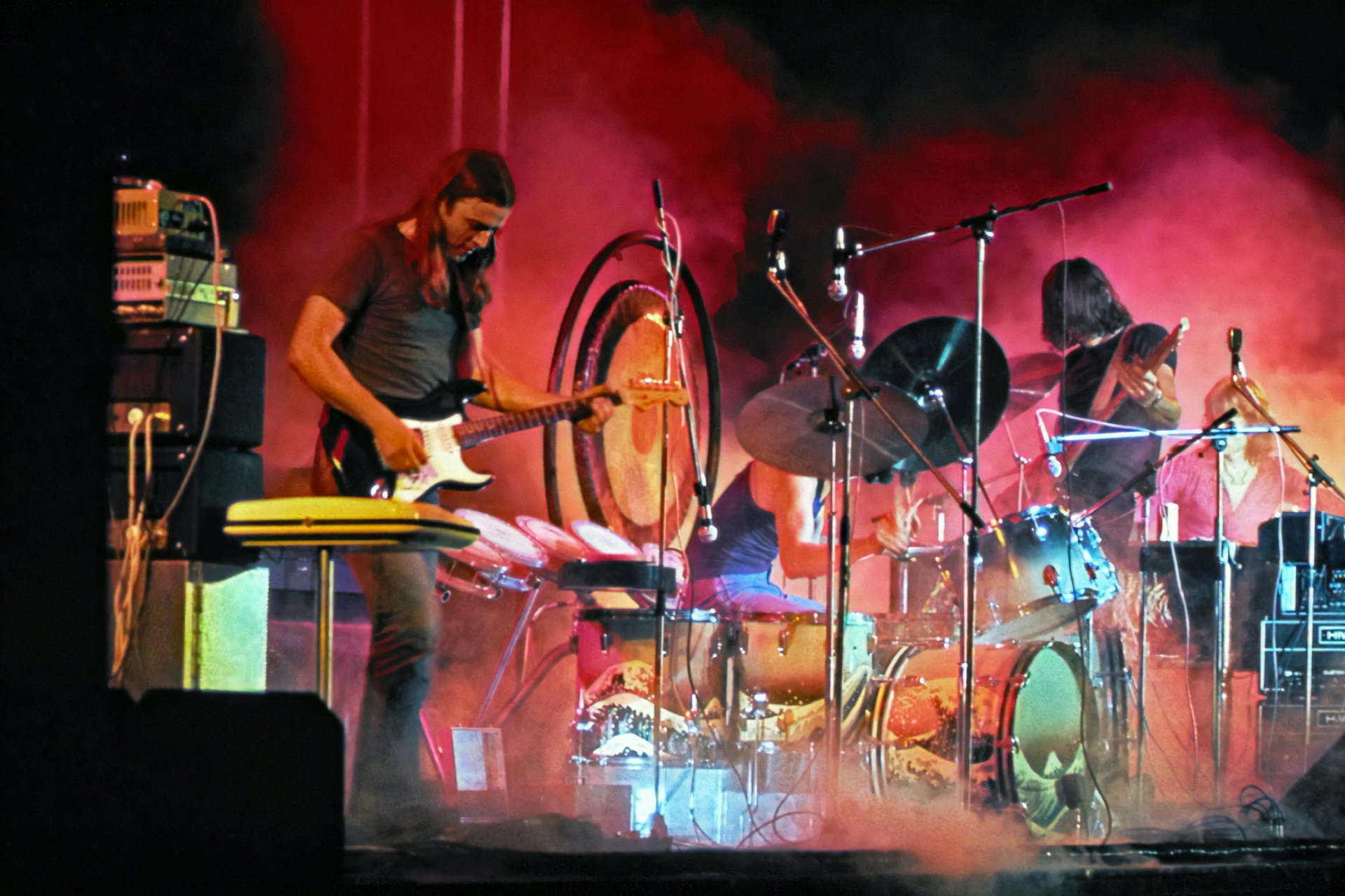
Jul. 1973: Pink Floyd, Columbia, Maryland (Erik Calonius / Documerica) (free to use under the Unsplash license)
There was a time when finding an obscure record involved considerably more effort than typing a song title into a search bar. You might hear something late at night on the radio, catch a name in the music press or find an LP in a second hand shop with a sleeve interesting enough to justify taking a chance. Sometimes the record was dreadful. Sometimes it became something you played for the next twenty years.
That sense of discovery has not disappeared, but it has certainly changed. Streaming has placed an extraordinary amount of recorded music within reach, while collectors can spend an evening moving between old live recordings, forgotten singles and albums that disappeared almost as soon as they were released. The strange thing is that having everything available has not necessarily made choosing what to hear next any easier.
Music discovery now sits alongside all the other things competing for our attention online. Someone reading about a forgotten British group can be watching an old television performance five minutes later, then checking a football score or opening bizbet mongolia before returning to the album. It is a long way from sitting beside a turntable with nothing but the sleeve notes for company, but the desire to stumble across something unexpected remains much the same.
When records had to find their audience
The late 1960s and early 1970s produced an astonishing number of records that barely registered at the time. Britain alone had psychedelia, folk rock, progressive music, hard rock and countless groups that existed somewhere between all of them.
Not every good band found an audience.
Some released one single and vanished. Others made an album for a major label, received little promotion and disappeared before listeners had a chance to notice them. A record that sold poorly in 1969 can now inspire expensive reissues, lengthy articles and fierce arguments between collectors.
That is part of the pleasure of looking backwards. Rock history is much less tidy than the familiar story built around The Beatles, The Rolling Stones, Pink Floyd, Led Zeppelin and a handful of other giants.
Behind those names is an enormous collection of musicians who were experimenting with the same new recording techniques and absorbing the same influences without enjoying anything like the same commercial success.
The Strange Brew has spent years exploring precisely that territory, from psychedelic groups and overlooked songwriters to musicians whose careers intersected with much bigger names.
The album still matters
Streaming encourages individual tracks. The old LP asks for something different.
Put on an album such as Odyssey and Oracle, Liege & Lief or In the Court of the Crimson King and the running order becomes part of the experience. Songs that might seem unremarkable in isolation start making sense beside the tracks around them.
There is also something revealing about hearing the less celebrated material.
Great albums are not always collections of ten obvious singles. They have strange corners, changes of pace and songs that take several listens before they begin to stick. Those are often the tracks that end up becoming favourites.
Vinyl’s return has probably helped preserve that way of listening. The format creates a small obstacle. You have to choose a record, put it on and eventually turn it over. That tiny amount of effort makes skipping every thirty seconds slightly less tempting.
Technology changed the hunt, not the fascination
Of course, nostalgia can go too far. Anyone who actually spent years searching record shops knows that scarcity was not always romantic. Sometimes you simply could not find the record you wanted.
The internet fixed much of that.
Today a mention of an unknown group can lead almost immediately to a recording. Discographies can be checked in seconds, old concert footage survives online and specialist communities have made information about once obscure artists remarkably easy to find.
Phones have pushed that convenience further. Music, reading, shopping and entertainment now occupy the same device, whether someone is opening Spotify, checking an auction for an original pressing or using the bizbet app.
Yet easier access has produced an interesting reversal. The rare commodity is no longer necessarily the record. It is attention.
Why forgotten music keeps returning
Old music has an unusual habit of finding new lives.
A reissue can rescue an album from obscurity. A documentary can introduce an artist to listeners born decades after the original release. Sometimes one musician mentioning an influence is enough to send thousands of people searching backwards.
The best discoveries often come through those connections.
Listen to one record and notice the producer. Follow the producer and discover another band. Read about that band and find that its guitarist later appeared on an album you already know. Before long, what began with one song has turned into an entire evening of listening.
That is why the archives of rock music never really feel finished. There is always another B side, session player, abandoned group or overlooked album waiting somewhere beyond the familiar names.